

How to Record Your Loved Ones’ Stories
(So You Can Keep Them Forever)
If you’ve ever thought “I really need to interview my parents one day…” this is your sign to do it now. In this post, I’m sharing the simple and meaningful way you can record a parent (or loved one) using nothing more than your iPhone and a few thoughtful questions—without it feeling awkward, formal, or overwhelming. You’ll learn why it matters, what to ask, how to set it up, and how to save it properly so those memories last for generations.
✨ Bonus: I also created a Free Family Interview Question Guide (PDF) you can download and use immediately.
There are certain moments in life that feel ordinary while you’re living them—until you realize they’re the ones you’ll want to hold onto forever. A familiar laugh from across the room. A story you’ve heard a hundred times but still love hearing. The way someone says your name. The little details that make them them. Recording your loved ones isn’t about being dramatic or sentimental for the sake of it—it’s about creating something real you can return to. Something your family can keep, watch again, and treasure for years to come.
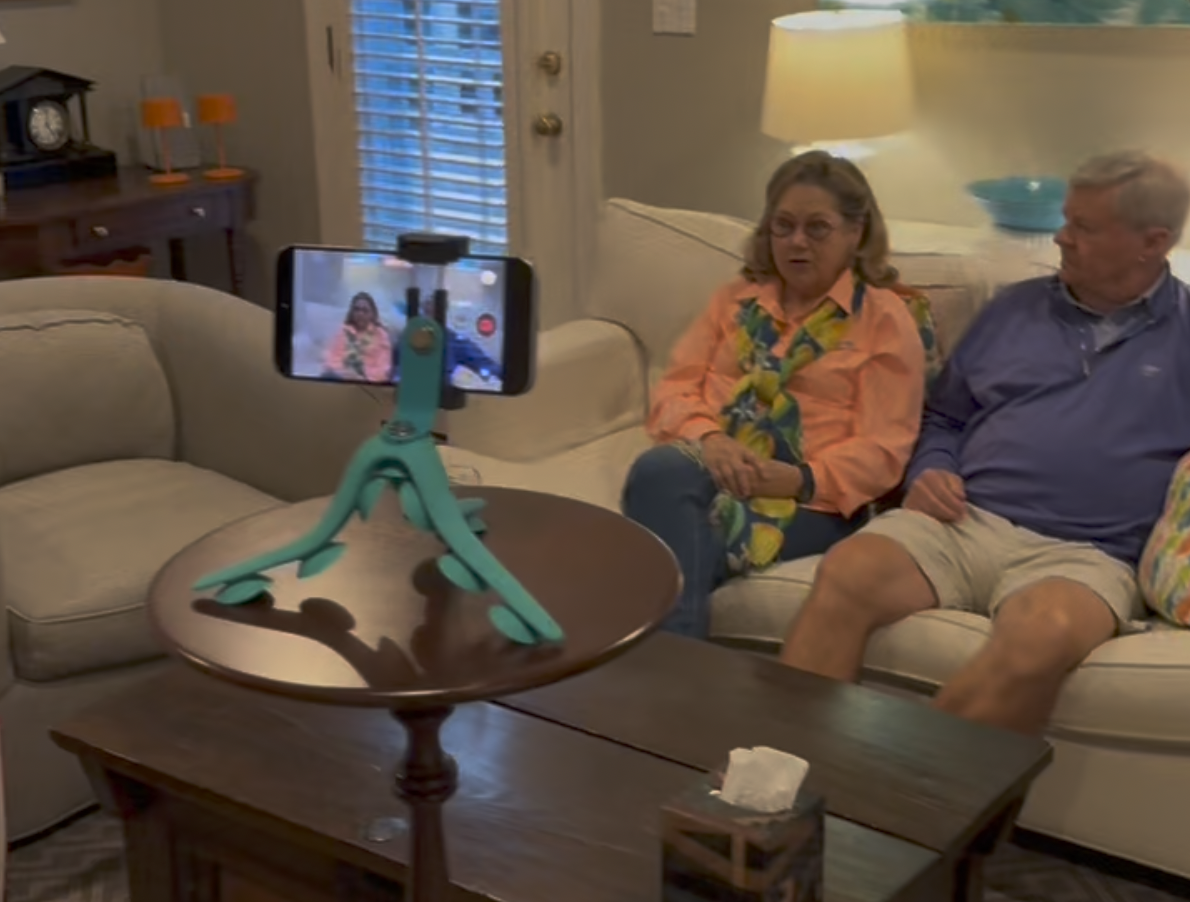
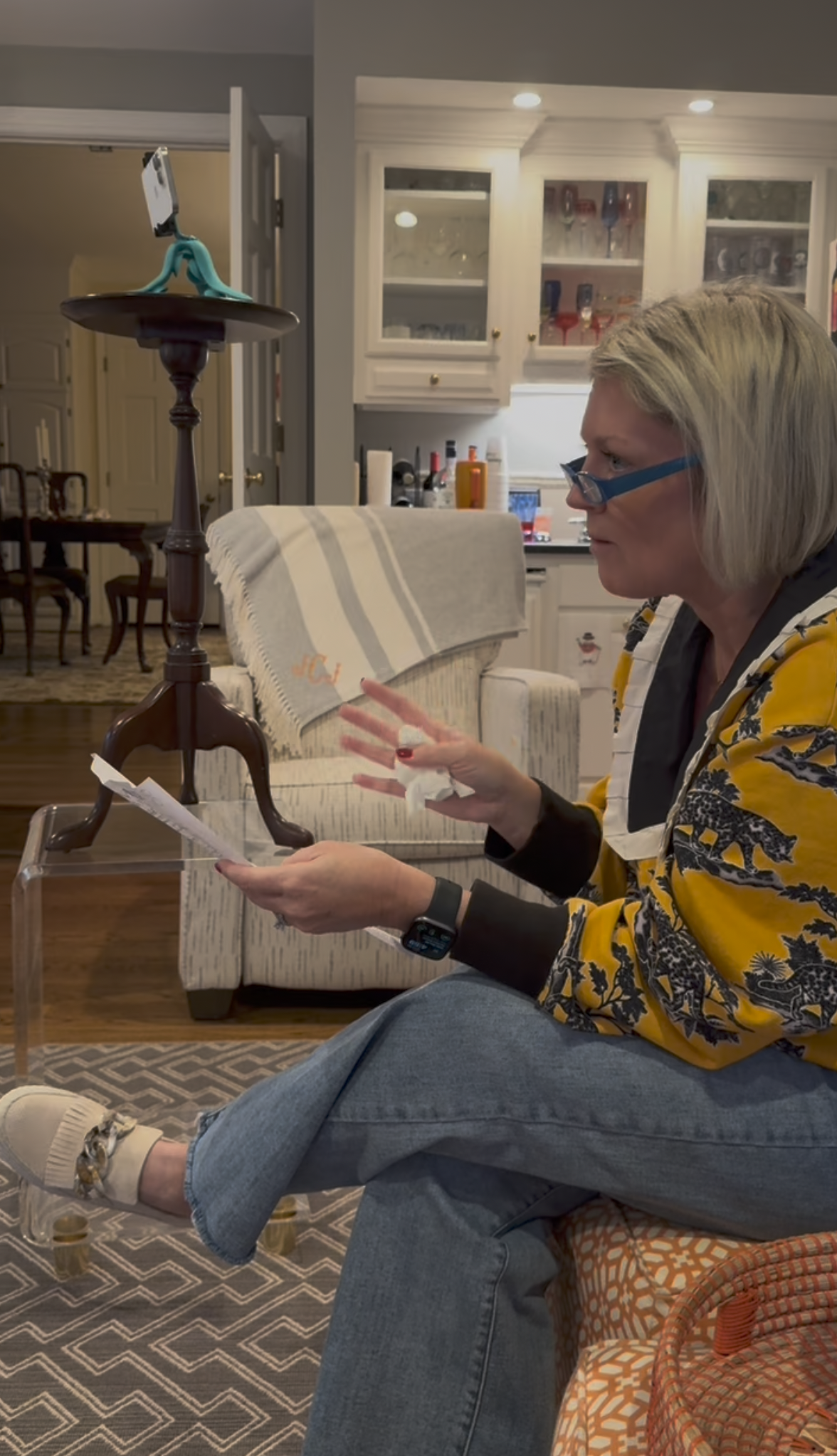
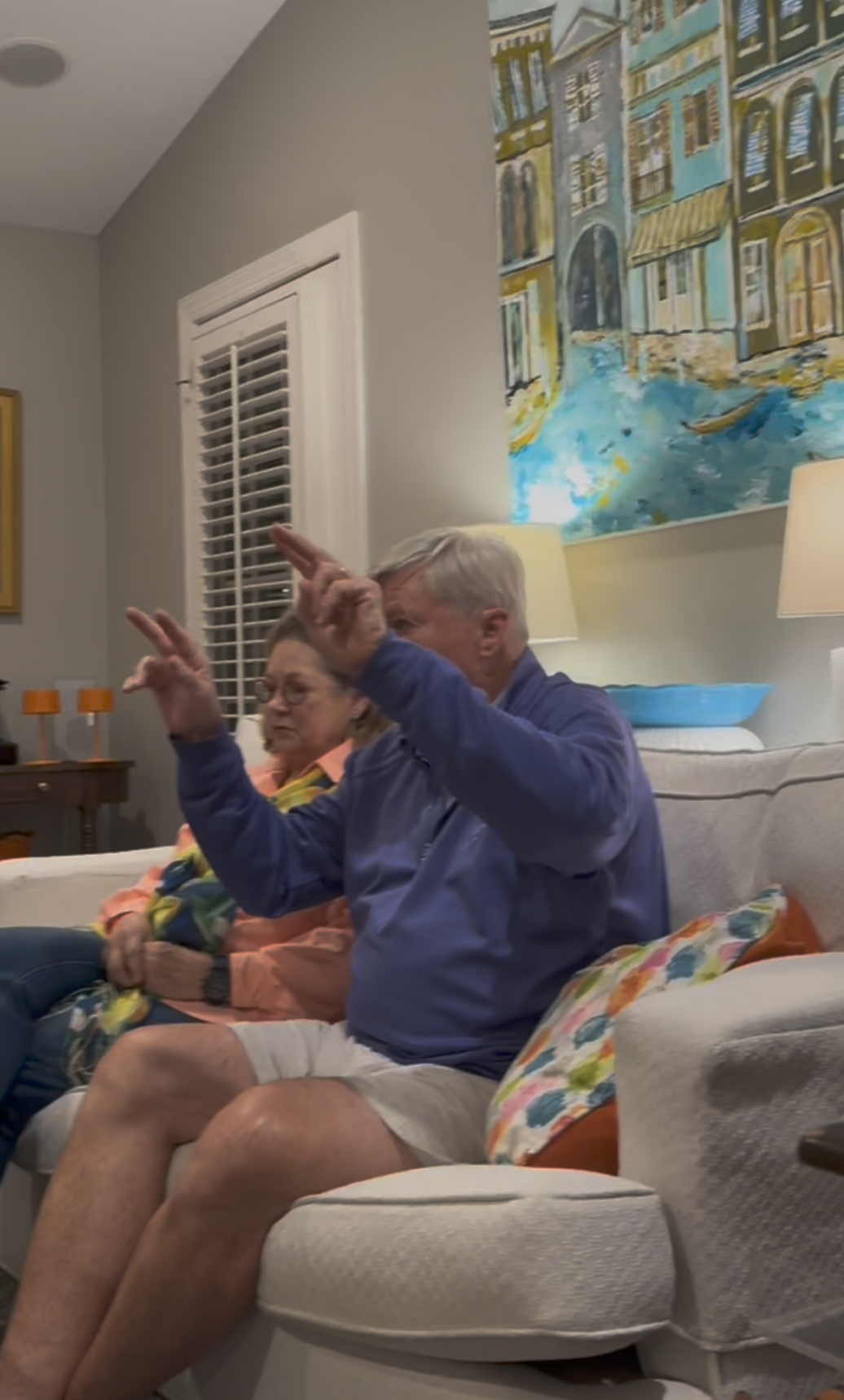
Over the holidays, I finally did something I’ve been meaning to do for years: I sat down with my parents and recorded them, just talking, telling stories, and being fully themselves. BK did the same with his parents. Nothing fancy. No production crew. No scripts. And to my surprise, it brought pure joy to all of us. We cried, we laughed, and we learned things we’d never heard before, even after a lifetime together. It was truly a moment I will never forget. Yes, it can be emotional, but it’s the kind of emotional that feels good… the kind that reminds you what matters. My dad even said afterward, “I’m exhausted!” My parents have been married for 53 years and have “dated” each other since the third grade, so the stories flowed. And now I know that whenever I watch it back, I’ll get to hear that laughter again, and that is a gift I’ll treasure forever.
That experience reminded me of something I want more families to know: you don’t need a perfect plan or fancy equipment to preserve the stories that matter most—you just need to start.

Why This Matters (And Why It’s More Emotional Than You Expect)
Let’s be honest… most of us don’t avoid this because we don’t care.
We avoid it because it feels like something we’ll “get to later.”
We think:
• I’ll do it next holiday.
• I’ll do it when things slow down.
• I’ll do it once I get a better camera.
• I’ll do it when I have the right questions.
And then time keeps going.
Here’s what I learned by doing this myself:
Recording someone’s story isn’t just about hearing the past…
It’s about capturing the things you don’t realize you’ll miss the most:
• Their laugh
• The way they tell a story
• The expressions on their face
• Their little sayings
• Their personality
• Their mannerisms
• The way they speak your name
Photos are priceless, yes.
But video? Video brings your people back to life.
Even if it’s just an hour… you walk away with something so much bigger than you expected.
The 3 Most Important Takeaways (If You Only Read One Section, Read This)
If you’ve been thinking about doing this—here are the three truths I want you to carry with you:
1) Don’t wait — record their legacy while you still can.
2) Give your family a future keepsake they’ll treasure forever.
3) You’ll be surprised what an hour captures: their voice, their personality, and the heart behind who they are.
The Why — Why Now?
This is the part I wish more people understood:
You don’t do this because you’re expecting something bad to happen.
You do it because you finally realize how quickly life moves.
A lot of people wait until a major moment forces them into action—an illness, a move, a big birthday, a loss.
But you don’t need a crisis to start honoring someone’s story.
Let this be your gentle push.
Ask yourself:
• What stories do I wish I had recorded from my grandparents?
• What would I give to hear that voice again?
• What moments do I want my kids to have access to someday?
Because one day, you’ll want to hear their voice and you’ll be so grateful you pressed record.
The Process — Behind the Scenes + What to Ask
When I started doing this, I thought I needed to sit down with a long, perfect list of questions.
But what I learned is this:
The questions matter…
…but the comfort and flow matters even more.
This should never feel like an interview on the news.
It should feel like you’re sitting together in the living room with coffee or a cocktail and just… talking.
Start with “easy” questions first (these are gold)
These are the warm-up questions that make someone relax and start remembering:
• What was your childhood home like?
• What did your bedroom look like?
• What did you do for fun after school?
These questions open the door and create momentum.
And once they start talking… you’ll be amazed at what comes pouring out.
Then move into their life timeline (naturally)
You can go in order without it feeling strict:
• school years
• college (or first job / early adult life)
• marriage
• parenting
• career
• biggest lessons
• funny memories
You’re not trying to cover everything.
You’re simply giving them space to tell their story.
Then (if it feels right) go deeper
This is where the magic happens.
These questions gently pull out the heart behind who they are:
• What are you most proud of?
• What was the hardest season of your life?
• What do you admire about your spouse?
• How do you hope to be remembered?
• What do you want your kids to know, even if you don’t always say it out loud?
• What values mattered most to you while raising a family?
Not every family will go deep — and that’s okay.
But when they do?
It becomes one of the most meaningful gifts you can give yourself.
“A reminder I need you to hear: This does not need to be perfect to be powerful.”
You don’t have to ask the questions “the right way.”
You don’t have to get perfect lighting.
You don’t have to say everything flawlessly.
You just have to start.
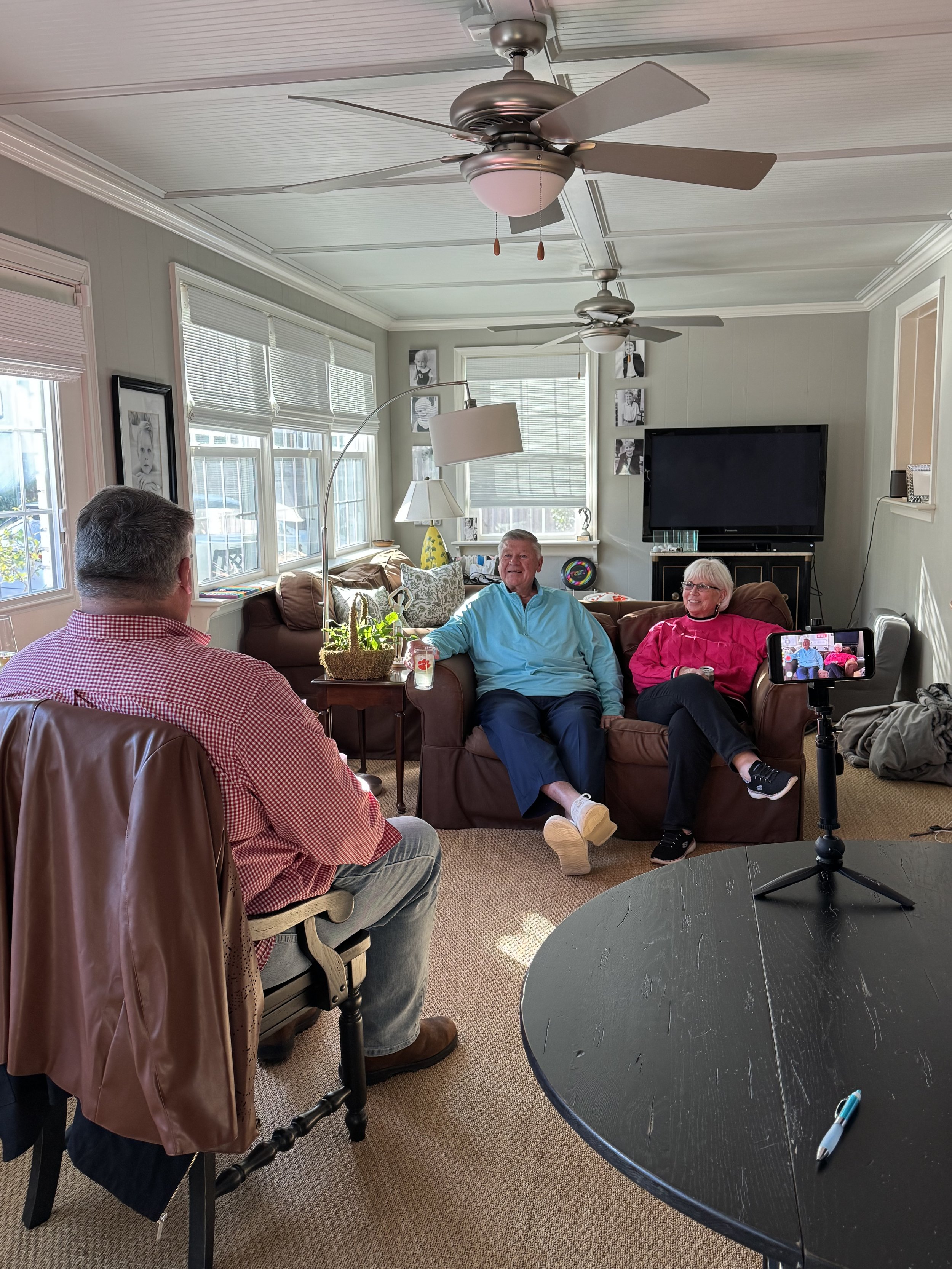
How to Do This Yourself (Simple + Not Overwhelming)
I’m going to make this so easy that you can do it this weekend.
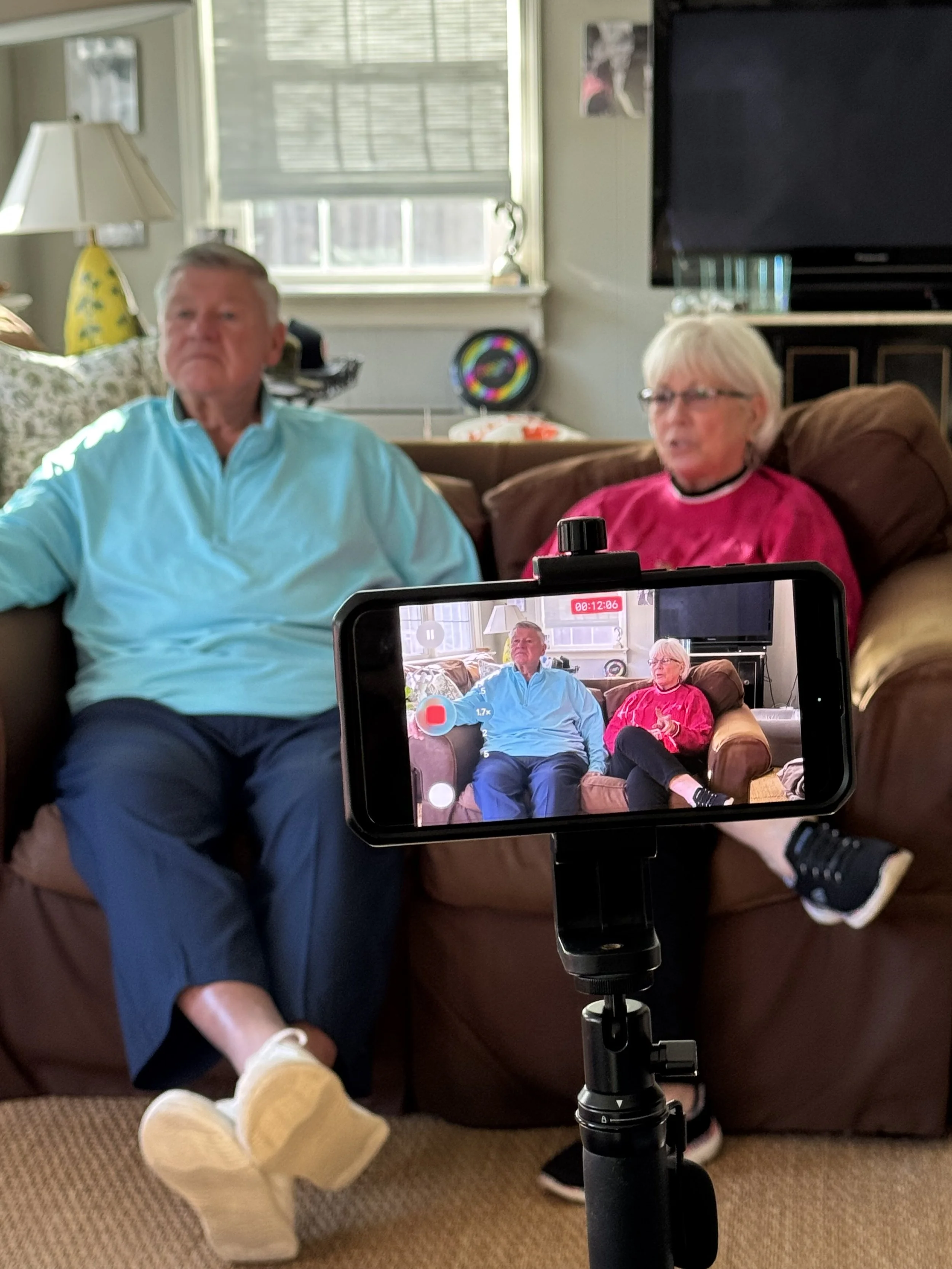
Step 1: Use your iPhone in LANDSCAPE mode
Landscape makes it feel more cinematic, fills the frame better, and looks beautiful on a TV later.
Step 2: Stabilize your phone
You have two easy options:
• A mini tripod
• Or stack books and prop your phone up securely
You don’t need fancy gear—you just need the phone not to wobble.
Step 3: Frame them well (simple trick)
You want them to “fill” the screen.
Not too far away. Not tiny in the background.
The closer you are, the more you capture expressions and emotion.
And honestly… the less visual distraction, the better.
Step 4: Lighting matters — don’t overthink it
Here’s the simplest rule:
Have them face a window or light source.
Don’t put the light behind them.
Avoid harsh direct sun.
If you can, choose a calm indoor space where you won’t hear dishes clanking, TVs, or background noise.
Step 5: Make them comfortable
Your goal is to make this feel like a casual conversation, not a performance.
Little things that help:
• A comfy chair
• A drink nearby (coffee, tea, cocktail—whatever fits your family)
• A relaxed setting
Step 6: Start with warm-up questions
This is your secret weapon.
Once they’re smiling and remembering childhood stories, the rest flows naturally.
Step 7: Don’t overthink the questions
Pick five questions to start.
You can always keep going.
And often the best stories come from sub-questions you ask naturally while they’re talking.
Step 8: If you feel overwhelmed, use this script
“I’ve been wanting to record you for a while because I want to have your stories saved. This isn’t formal. You don’t have to look at the camera. I’m just going to ask you a few questions and we’ll see where it goes.”
That’s it.
It lowers the pressure immediately.
The Final Outcome + How to Preserve It Properly
This is where people accidentally mess up something really important:
They record the video… and then it disappears into the camera roll forever.
Or worse, the phone breaks.
Or the file gets lost when switching devices.
Let’s not do that.
Your phone creates an MP4 — and that’s perfect
Most iPhones save video in a modern format that’s easy to upload, share, and store.
Save it in THREE places
This is my “memory preservation” rule:
1) Keep a copy on your phone
2) Save a copy in the cloud OR on your computer
3) Save a copy on an external drive or flash drive
Because one place is never enough.
Quick note: your iPhone camera roll / iPhotos does not count as your only backup. You want one copy outside your phone.
Name the file so it stays organized forever
When you save it, use this format:
YYYY-MM-DD-LovedOneName-Interview
Example:
2026-01-05-SallyAndBob-Interview
And yes — always start with the year first.
That’s how it stays in chronological order forever.
Why preservation matters as much as recording
You’re putting time, emotion, and effort into making this.
So let’s make sure it lasts.
Because these files become part of your family history.
And the truth is… your children may treasure this even more than you do.
If You’re Thinking “I Want This… But I Don’t Want To Do It Alone”
I totally understand.
Some people love doing it themselves.
Others want support with:
• organizing the video files
• naming everything correctly
• saving everything in multiple places
• digitizing older family tapes and media
• turning it into a true legacy archive
That’s exactly the space I live in at Space Maker Professional.
My work is a mix of emotional preservation and practical organization — because the memories matter, and the system matters too.
If you’ve been wanting to do this but didn’t know where to start, I made something just for you:
Free Family Interview Question Guide (PDF)
It includes:
• easy warm-up questions
• deeper legacy questions
• a simple flow to follow
• a “first interview” starter list if you feel overwhelmed
And if you’d like help turning these recordings into a properly organized, backed-up family archive that lasts for generations…
Reach out anytime. I would love to help you preserve what matters most.

Jennings King is the founder of Space Maker Professional
Based in Charleston, South Carolina, she helps families and businesses simplify their lives through digital organization, photo and video preservation, and workspace systems that feel calm and easy to maintain. Jennings is passionate about preserving family history in a way that feels both emotional and practical—because the memories matter, and they deserve to be protected for generations.